

Look But Don't Touch
Updated: February 24, 2026
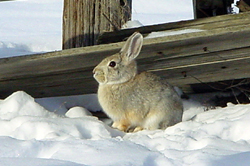
Every year, especially during the spring and summer, many wild animal babies are unnecessarily "saved" by well-meaning kids. The most commonly "rescued" animals are baby birds and deer fawns, but people also pick up young elk, moose calves, rabbits and other small animals. Unfortunately, most "rescues" are not necessary and more often than not are harmful to the animal.
State officials now use the reminder "If you care, leave them there" and urge children and adults to avoid contact with all young wildlife, even if the animal appears to be injured or orphaned. This includes picking up, handling, feeding, or relocating young wildlife, especially newborn birds, deer fawns, moose calves and bear cubs, and remembering that wildlife can be dangerous. There is a potential for injury from a mother who will attack if she is nearby and feels her baby is being threatened, or from the animal itself, which may try to defend itself if it feels threatened.
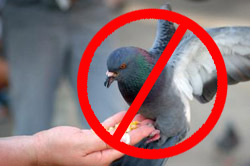
If you have found an injured or frightened animal please don't pick it up. Keep your distance, keep pets and children away, and quietly leave the area so the parent has a chance to return.
There are many types of wildlife in Montana and during the spring many new animals are born. Often what appears to be an abandoned or orphaned animal is simply a baby whose mother has left-sometimes for hours at a time-to search for food or to avoid drawing predators to the hiding place. Remember, just because you don't see the mother doesn't mean the baby is abandoned; often the mom is close and keeping a watchful eye on her young, and your presence might have scared her off.
If you find an injured or orphaned animal please remember:
- Do not move or touch the animal. Unnecessary handling of animals or contact with human odors (soap, perfume, lotions, etc.) should be avoided, because such odors may discourage the parent from accepting the baby back, especially if it has been kept from the parent or nest too long.
- Also, because young animals can mistakenly think pets or people are their parents, they may lose their natural fear and become more vulnerable to humans and pets. These animals are referred to as "human imprints," and may be doomed to life in captivity or be put down because they cannot safely live in the wild.
- Injured wildlife may carry dangerous diseases such as rabies, tularemia and other zoonotic infections, and if an animal shows little fear of humans something may be wrong.

Keep quiet. Stress is one of the biggest threats to animals in captivity or when they are being handled, so try not to frighten the animal with loud voices or unnecessary activity.
Keep pets and young children away. Because of the danger of spreading disease and the risk of injury, any suspected orphan should be kept away from your pets and little brothers and sisters.
Do not feed or water. If you find yourself temporarily caring for a wild animal in need of help, the best thing you can do for that animal is to keep it "warm, dark and quiet." You should not attempt to give it food or water unless directed to do so by someone qualified to determine the animal's condition. Young animals and birds can get fluid in their lungs and drown if you don't know the proper techniques for giving them water. Never give cow's milk, as it will make most wild orphans sick and dehydrated. Likewise, birds of prey will sicken and die if fed a diet of hamburger or hot dogs, and baby songbirds need a high-protein diet and cannot digest bread.
Do not try to treat or raise the animal yourself. Contact Fish, Wildlife & Parks or a licensed wildlife rehabilitator immediately. FWP generally does not accept or rehabilitate deer, elk, moose and many other mammals brought in by the public, and animals that cannot be returned to the wild may have to be placed in permanent captivity (when space exists) or humanely euthanized.
Did you know...?
State and federal wildlife laws protect wild animals. It is illegal to have a wild animal in your possession without proper permits, even if you are trying to care for it. It is illegal, unsafe, and unwise to try to keep a wild animal as a pet, and federal laws such as the Migratory Bird Treaty Act make it illegal to take or keep most native birds, their nests, or eggs. To avoid breaking the law and being subject to fines or other punishment-and to offer the animal the best chance for survival-if you find an injured or orphaned animal call Fish, Wildlife & Parks immediately or ask to be referred to a licensed wildlife rehabilitator in your area.
Remember, even if an animal is successfully raised by or near humans it often cannot be released back into the wilderness, as it will have weak survival skills, may be at high risk of vehicle collisions or conflicts with people, and will become easy prey. In the case of bears and other large mammals, animals that become used to humans and human food can pose a serious risk to human safety and are often destroyed as a result.